Board Members

Overlooking Committee Engagement
Fyafulla!
Sabnam Lama is an Indigenous young woman currently pursuing a Bachelor’s degree in Psychology and Social Work at St. Xavier’s College. She is excited to continue her role as the President of FIG.
In addition to her presidency, she is a member of the US Embassy Youth Council (USYC)-2024, a former Young Researcher at the National Indigenous Women Forum, and she delivered a statement at the UN Permanent Forum on Indigenous Issues in 2024. Sabnam feels empowered by the community she has built, which is rooted in solidarity. Alongside a sisterhood of new board members, she continues to grow, focusing on Indigenous feminism and collective empowerment at the core of their work.
Together with her sisters, she strives to redefine leadership, collective care, and action for Indigenous women and girls.
Lead to Media Advocacy and Communications Committee
Jojolapa!
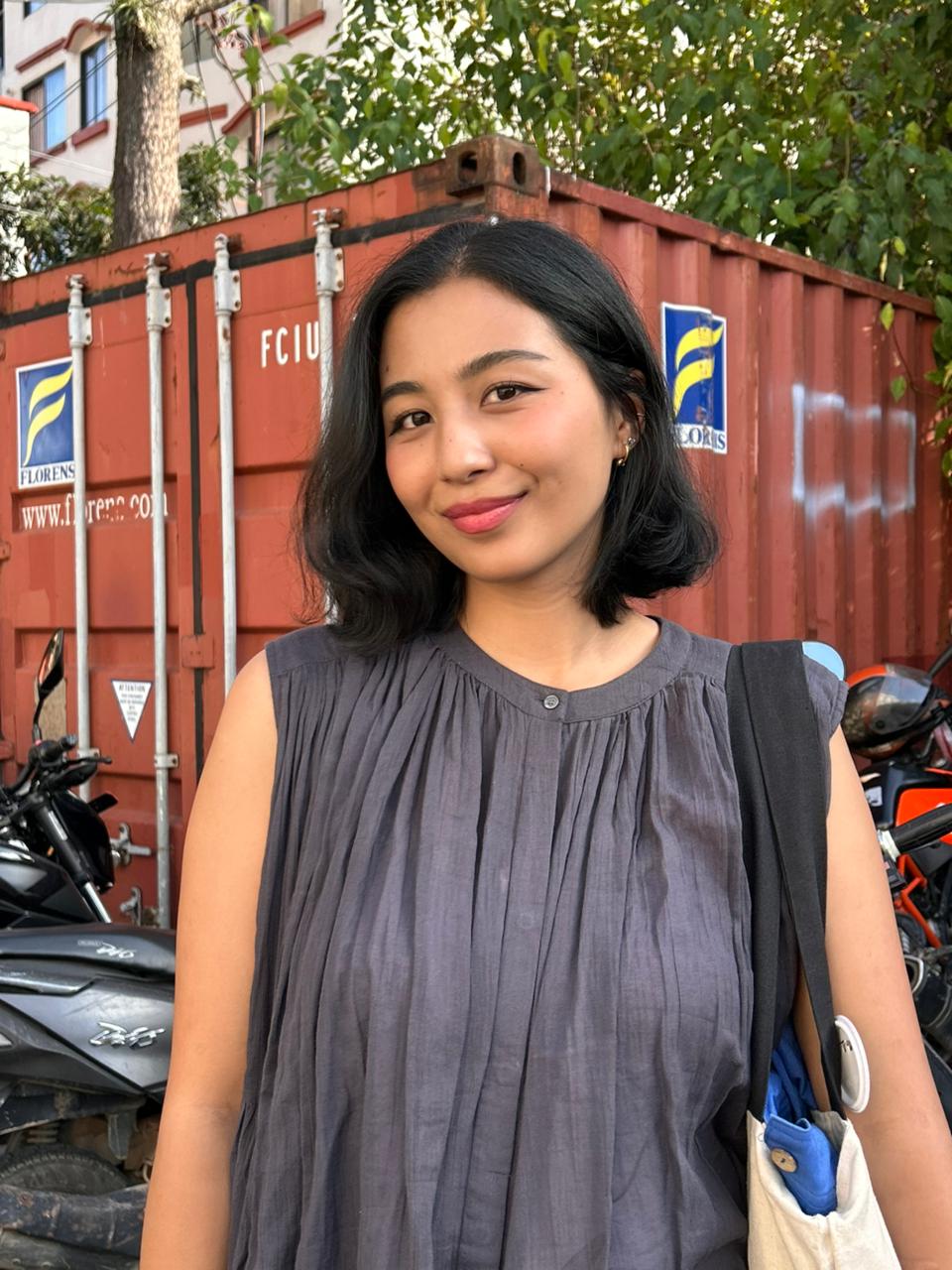
Akina from the Newa:/Newar Indigenous Community is a psychology advocate and an Indigenous social worker dedicated to transforming the landscape of Mental Health awareness in Nepal.
With a spirit rooted in radical and rebellious care, she produces her psychology podcast “All in Your Head” to capture the unique Nepali experience and serves as the Vice-President of Focus for Indigenous Girls (FIG Nepal). She dedicates her work to mental health advocacy and amplifying the voices of Indigenous sisters.
Akina persists to decolonize the instilled identity and restore generational bonds, redefining the values and narratives of Indigenous Peoples. Guided by the principles of sisterhood and equity, she is committed to unlearning the constructs fed by a capitalistic world and building a future that honors community, heritage, and an equitable world for all.

Finance Management,Legal Affairs and Policy engagement.
Lajopai!
Bandana Pahari is a young Indigenous social activist from Nepal, belonging to a Pahari community that has long faced marginalisation. She is a founder member and treasurer of Focus for Indigenous Girls (FIG), where she works to strengthen Indigenous girls’ leadership, rights, and participation.
Bandana has been actively engaged in Indigenous sectors since the age of 17 and is closely connected to the lived realities of indigenous communities and marginalised communities. Inspired by her own experiences, she is carving her own path to reclaim her identity while promoting the rights and leadership of her community and Indigenous girls.
Bandana previously gained professional experience in the finance sector and banking sector and she now serves as FIG’s treasurer, overseeing all financial management as well as legal and policy matters within the organization. Her role ensures transparency, accountability, and effective governance across all organizational operations.
She is also involved in REDD+ facilitation, promoting community awareness and ensuring Indigenous perspectives are included in climate and forest governance. Currently pursuing studies in Political Science and Social Work, Bandana continues to reclaim and articulate her Indigenous identity through advocacy, research, and grassroots engagement.

Lead to Reading,writing and Community Building
Tashi Delek!
Wangmo Lama is a fourth-year student of Social Work and Psychology, passionate about empowering children and bringing positive change in communities through accessible education.
With a background in communications and digital advocacy, she combines her skills in storytelling, writing, and education to converse, and engage with people from all over the world.
Wangmo is deeply committed to supporting Indigenous communities and creating inclusive spaces where their voices are heard and valued. She enjoys conducting workshops, facilitating reading circles, and designing learning experiences that encourage reflection, creativity, and growth. Beyond her academic and community work, Wangmo loves music and creative writing, believing in the transformative power of learning and storytelling to reshape the world toward greater justice and compassion.
At FIG, she leads initiatives focused on reading, writing, and community-building, helping nurture spaces for connection, dialogue, and learning.

Lead to Proposal development and Technical Writing commiteee
Fyafulla!
Supriya Lama is a proud Indigenous Tamang youth leader from Rubi Valley–1, Dhading, Nepal, dedicated to promoting the empowerment of Indigenous girls and strengthening meaningful youth leadership. She serves as an Executive Member of Focus for Indigenous Girls (FIG) and is actively engaged with IMCS Pax Romana Asia Pacific as a member of the Indigenous People’s Youth Commission. In this role, she contributes to youth-led initiatives that advance justice, peace, and inclusive participation across the Asia-Pacific region.
Rooted in her language, culture, and community, Supriya believes that identity is a powerful source of resilience and collective strength. She is passionate about protecting mother tongues, promoting Indigenous knowledge systems, and fostering intergenerational dialogue. Through digital advocacy and youth engagement platforms, she works to amplify Indigenous voices at local, national, and regional levels.
Her interests focus on gender equality, intersectional movement building, environmental justice, and community empowerment. She envisions a future where Indigenous girls are not just represented but are empowered as confident decision-makers and transformative leaders. By creating and facilitating leadership spaces, dialogues, and collaborative initiatives, she supports young women in building confidence, skills, and solidarity.
Supriya remains committed to connecting grassroots Indigenous youth movements with wider social justice networks. Guided by empathy, cultural pride, and resilience, she continues to work toward inclusive spaces where Indigenous girls can lead with dignity, courage, and collective strength.
General Members
Chhyaajalo
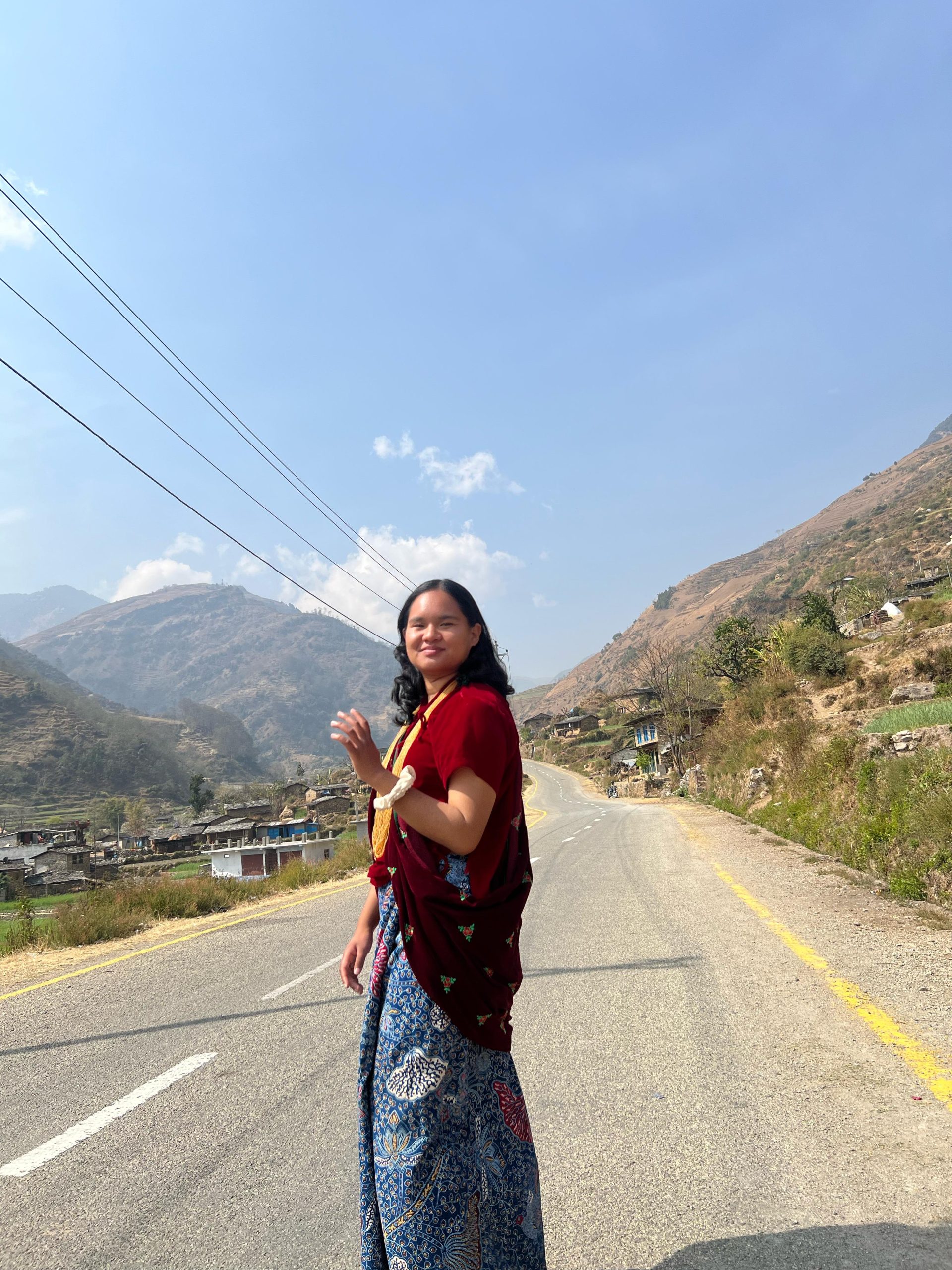
Dibya Gurung from Okhaldhunga is exploring her identity, culture, and heritage as a Gurung woman shaped by intergenerational wisdom. Growing up away from the community’s traditions, she began to learn the culture, heritage, and narrative from the media, gradually reconnecting with the roots that shaped her lineage and sense of self.
Through research and initiatives like Ma Bata Hami with FIG, she recognized the depth of broader Indigenous struggles and the power of solidarity. These experiences strengthened her commitment to collective advancement.
She hopes to continue learning about Indigenous movements beyond her own community while deepening her understanding of the cultures, traditions, and lived histories of her Bajey and Boju.
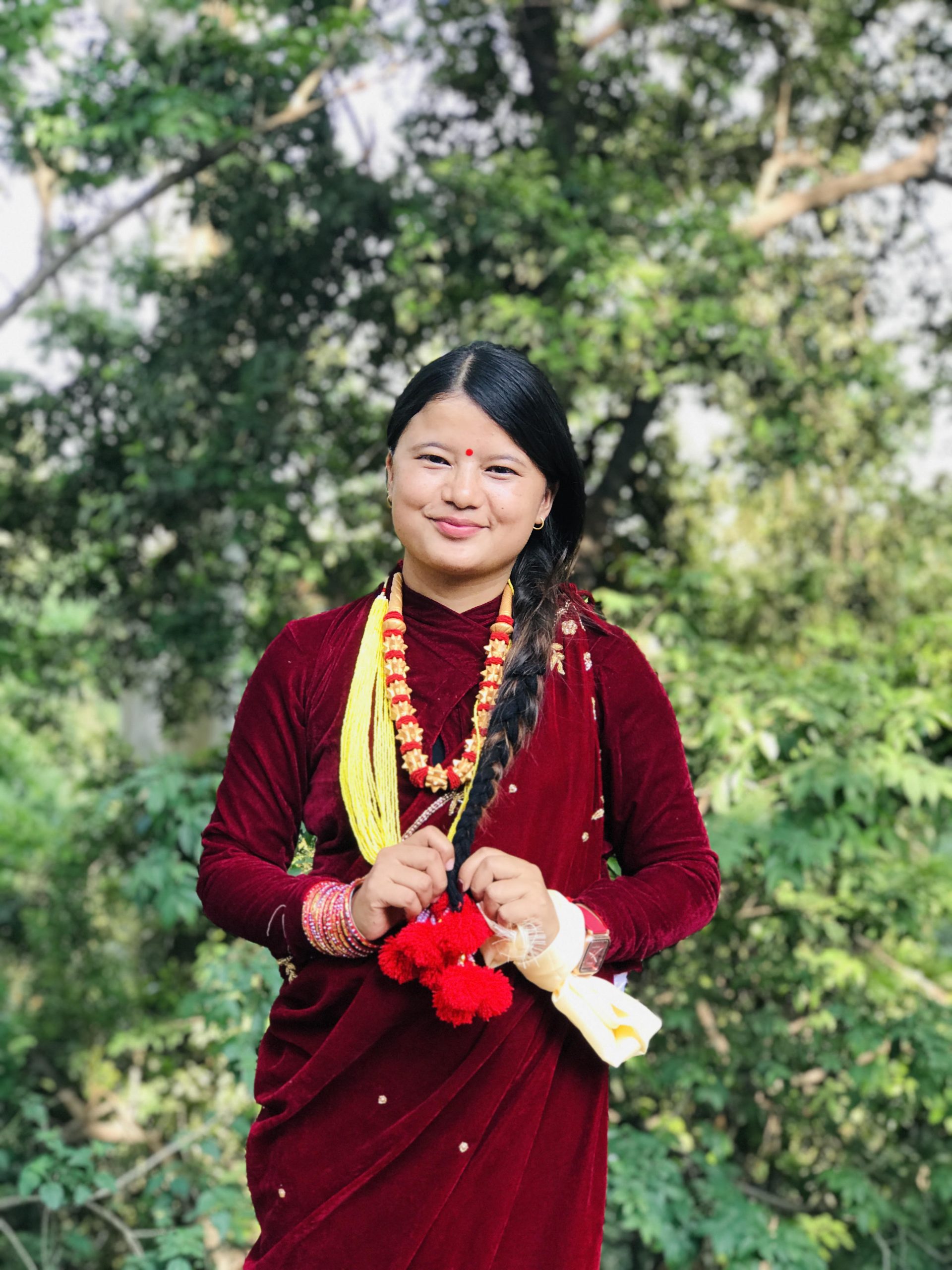
Bidhya Baram is from the Baram Indigenous community, originally from Gorkha, Nepal. She is an IT graduate with a strong interest in AI, data analysis, and Indigenous issues affecting women and girls. She is a feminist who has always been passionate about being a voice for women and girls in her community. She has worked on academic projects such as Indigenous culture identification and a language translator, combining technology with cultural preservation. She also completed her internship at Rastriya Banijya Bank Limited, where she gained practical experience in the IT sector. She has been working with FIG for more than one year.She is an activist and currently serves as the Chairperson of the Baram Student Association Nepal, where she advocates for Indigenous rights, youth empowerment, and gender equality.
Ram Ram
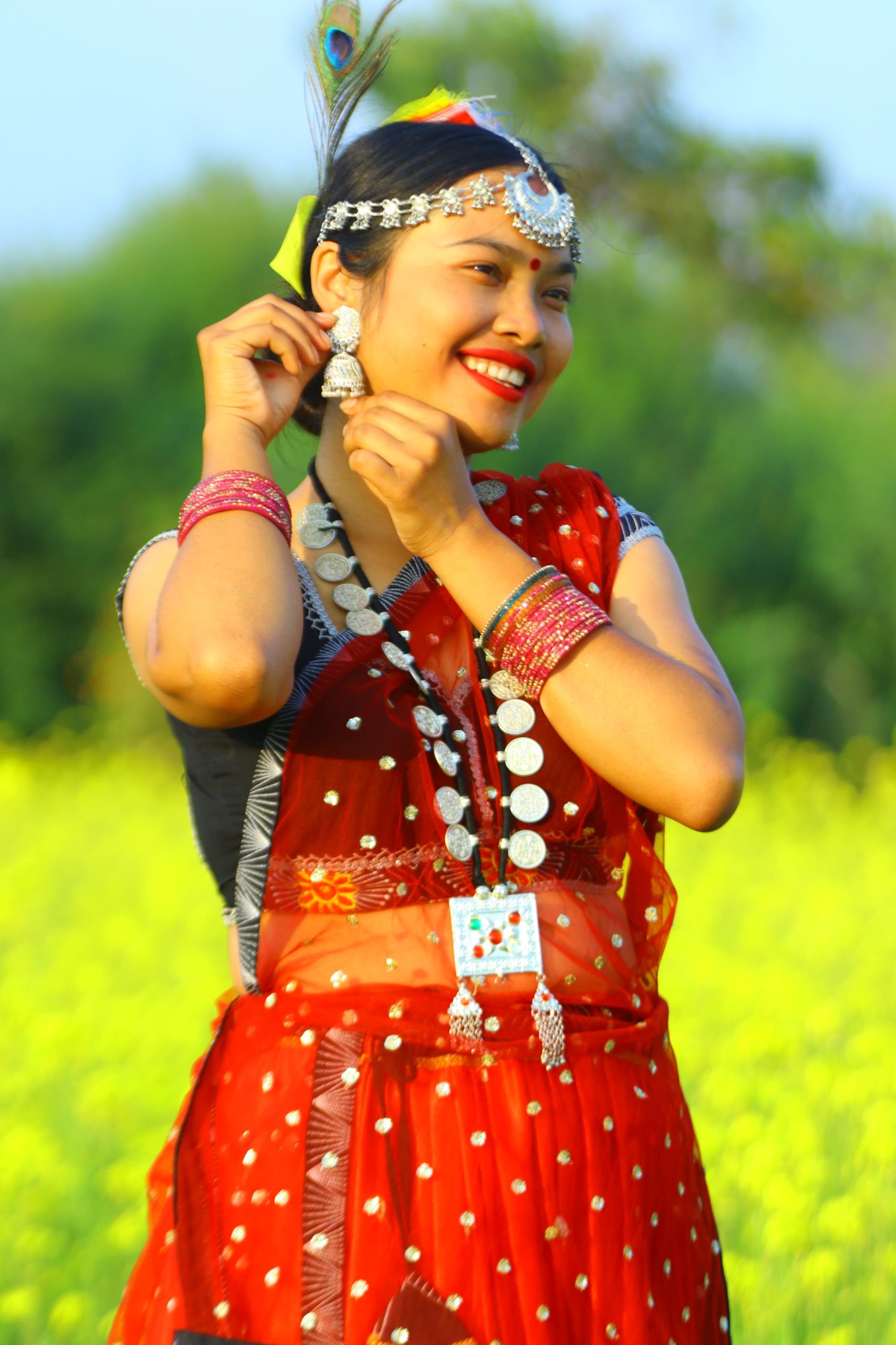
Bhumika Tharu is a researcher, artist, and activist pursuing a Master’s degree in Anthropology at Tribhuvan University. Originally from Dang, Deukhuri, she now resides in Kirtipur, Kathmandu. Deeply passionate about literature, theatre, and poetry, she has worked in several plays and films, using storytelling as a powerful medium of expression and resistance. Poetry holds a special place in her heart, and she continues to read and write while exploring identity, memory, and belonging. She loves exploring new places and learning about her community through travel. Through her research, theatre, and creative writing, she is committed to preserving Tharu cultural narratives and amplifying silenced voices. Her poetry collection कहियासम अनागरिक ? has been published by the National Foundation for Development of Indigenous Nationalities. She is also a member of Focus for Indigenous Girls (FIG).
Sewa
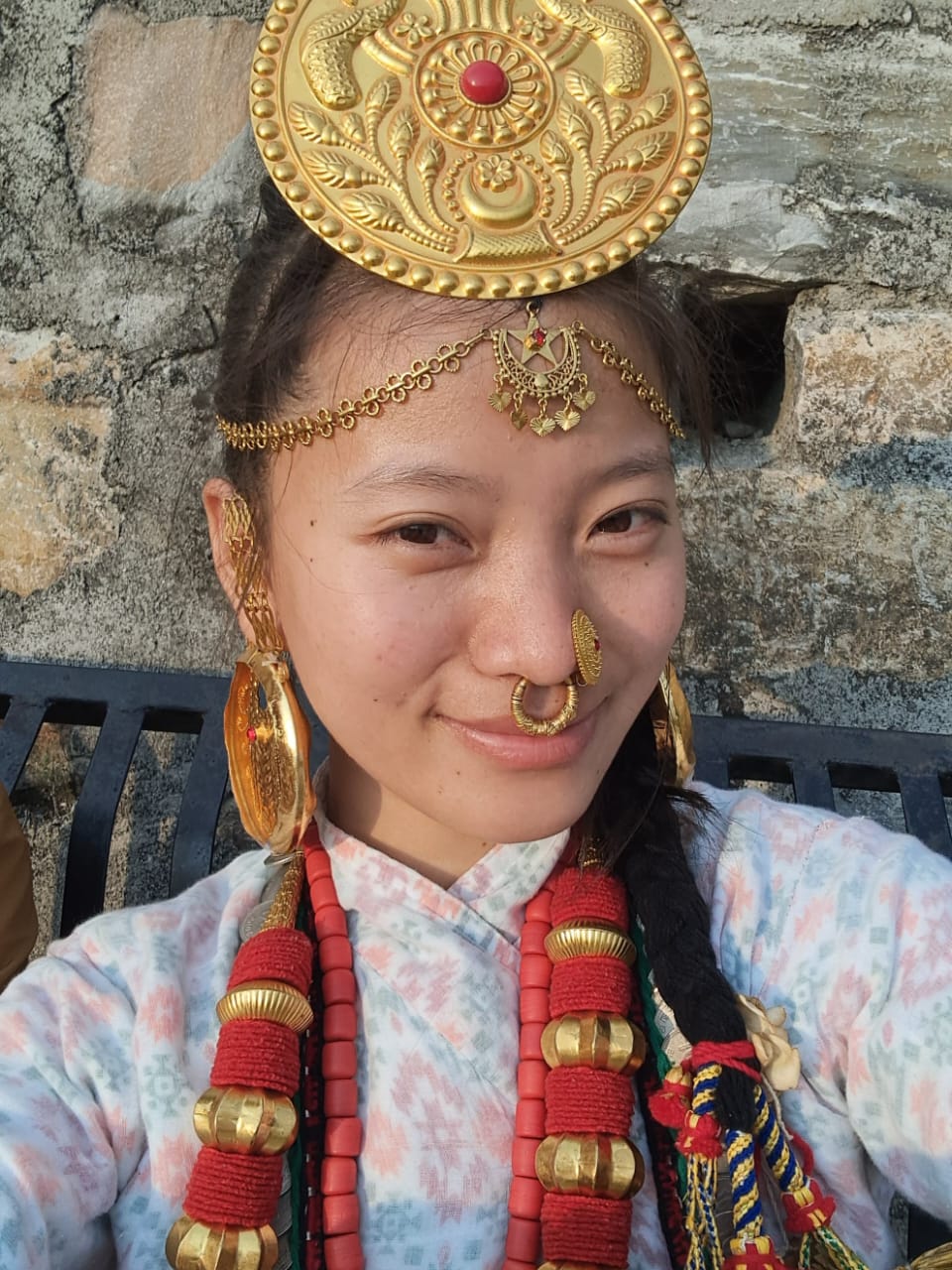
Neelam Rai, she is originally from bhojpur, residing permanent in Terai while temporarily pursuing her studies in Lalitpur. She is studying Bachelor of Craft and Design, her love for Art & Craft and the value of knowledge pass down through generations is what motivates her to work and question everyday life. She has always admired the values and skills of her community, she is on her journey to document indigenous teachings and art & craft practices.
Sewaro
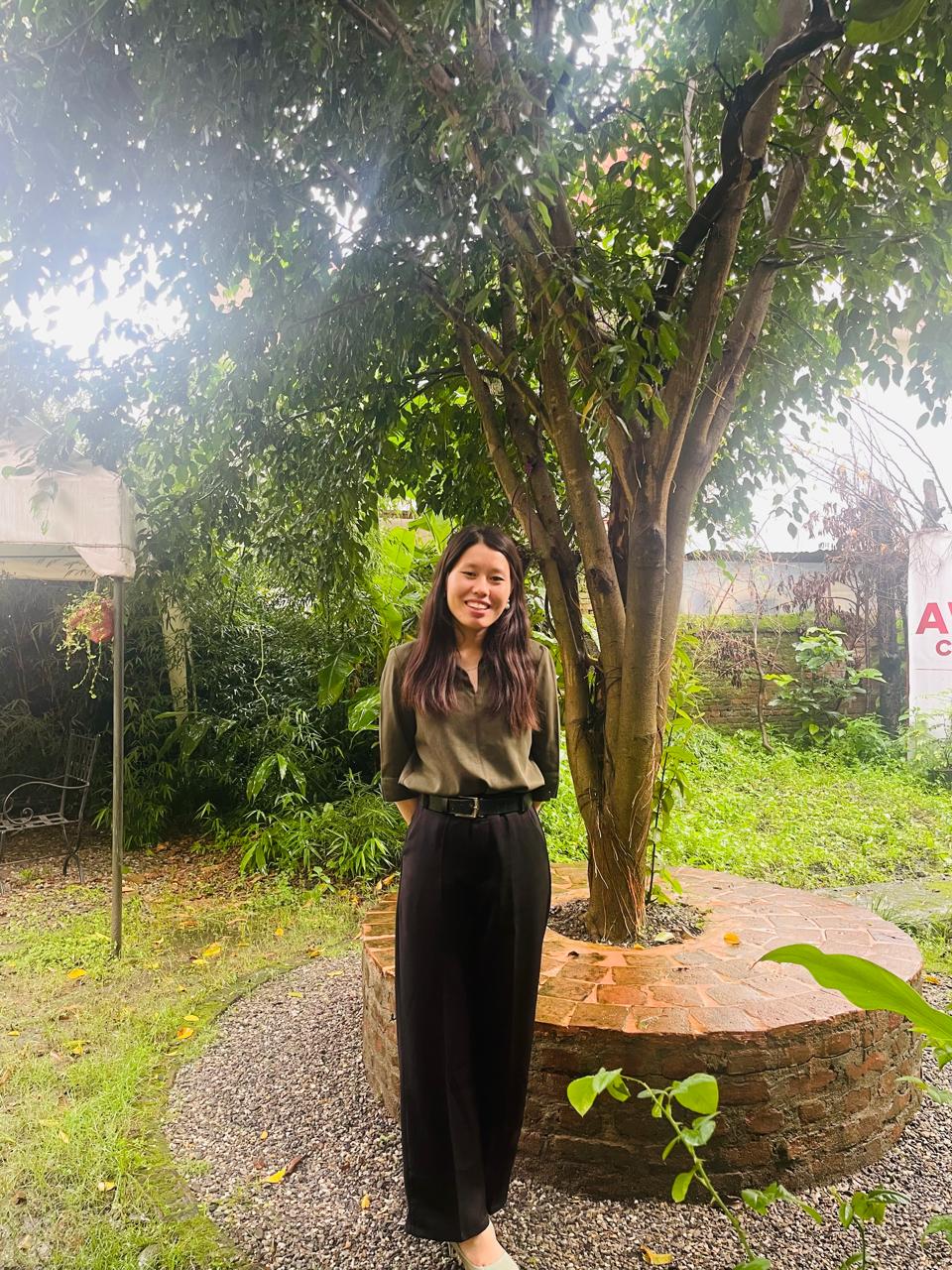
I am an enthusiastic and engaged member of a platform devoted to Indigenous girls, where I serve within the Proposal Development and Technical Writing Group. My work involves conceptualizing and articulating strategic frameworks, drafting comprehensive proposals, and producing technical documentation that advances community-centered sustainable initiatives.
As an ardent advocate for climate justice, feminism, and social equity, I situate my efforts at the intersection of environmental stewardship and Indigenous rights. I am deeply invested in the preservation and revitalization of Indigenous epistemologies, recognizing them as indispensable to global sustainability discourses. Through rigorous research, analytical inquiry, and collaborative engagement, I endeavor to amplify historically marginalized voices and contribute to transformative, equitable paradigms.
My journey is both a personal and collective odyssey committed to cultivating Indigenous girls’ leadership, strengthening cultural resilience, and fostering inclusive spaces where heritage and innovation converge to shape a just and sustainable future.
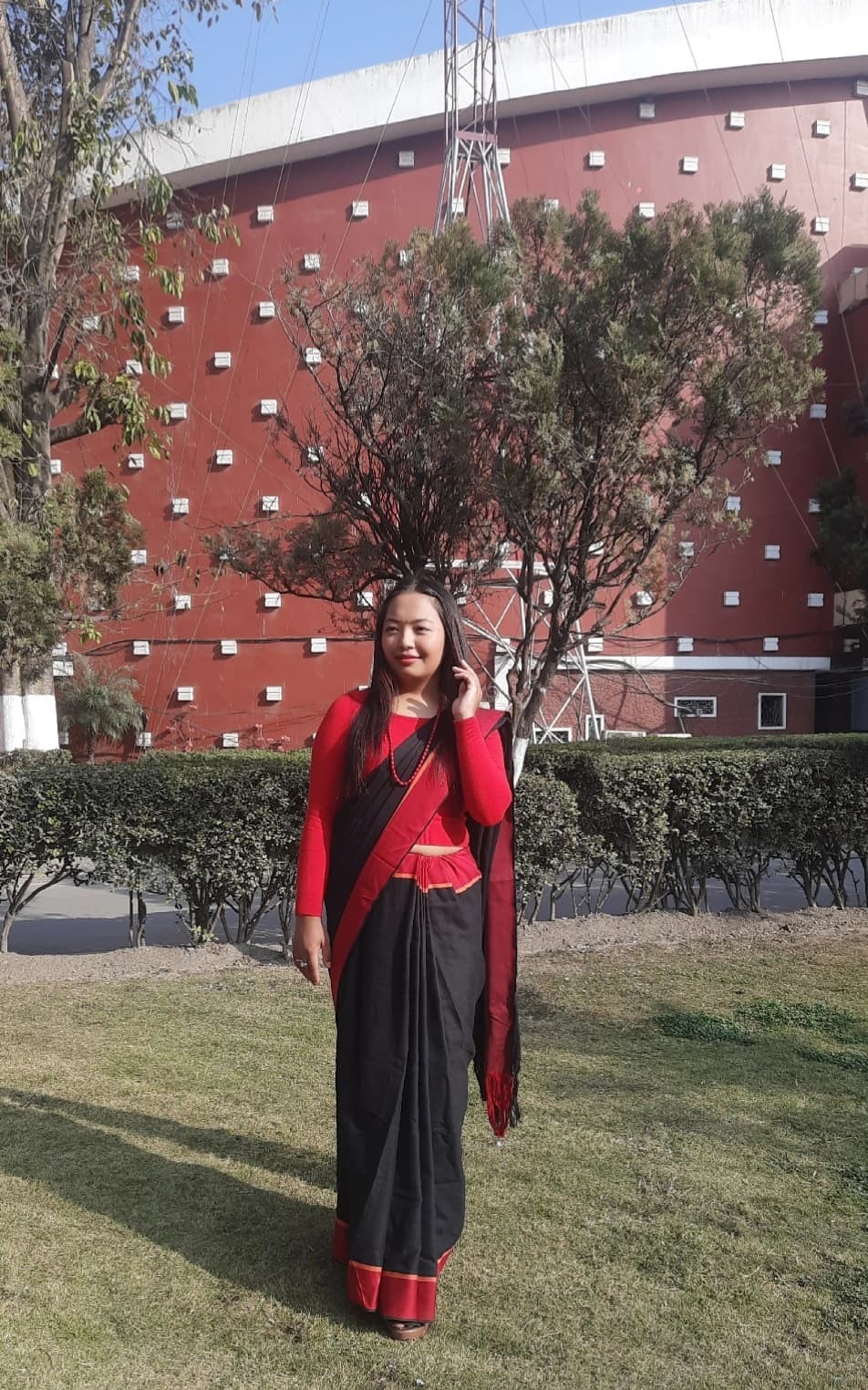
Jojolapa
I’m Kriti Tandukar, a Master’s student in Sociology combining research and creative skills to empower youth and Indigenous communities. Passionate about Indigenous rights, land governance, gender justice, and youth leadership. I contribute to academic and community projects through rigorous research, strategic documentation, and project management, ensuring meaningful impact. My goal is to amplify Indigenous women’s voices, strengthen local communities, and raise awareness on social justice issues. Beyond research, I engage in artistic pursuits, using creativity to inspire and connect with diverse audiences.